
Hernia Surgery
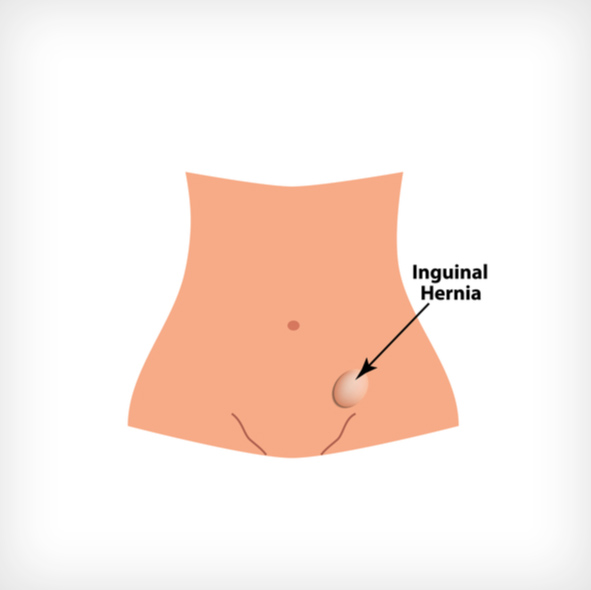
Inguinal Hernia repair
Hernias can be a serious issue for many of our
patients. Hernias can occur when there is a weakening or separation in the strong muscle walls that hold our abdominal organs in place. As the tissue weakens,
a small bulge or sack can form from the lining of the abdomen. The internal pressure can often push a loop of your intestine into this bulge.
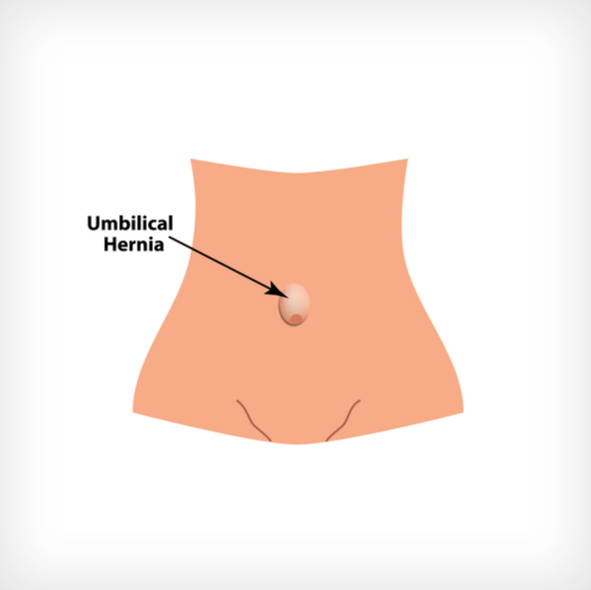
Umbilical Hernia repair
One of the more common hernias requiring surgical attention is umbilical hernias (hernia close to or involving the area around the belly button). Most commonly, these hernias are caused by weakness around the belly button from long, repetitive periods of increased pressure. Women who have been pregnant are particularly susceptible in forming these umbilical hernias because of the weakness of the umbilical region and stretching of tissues during the pregnancy period.
Learn More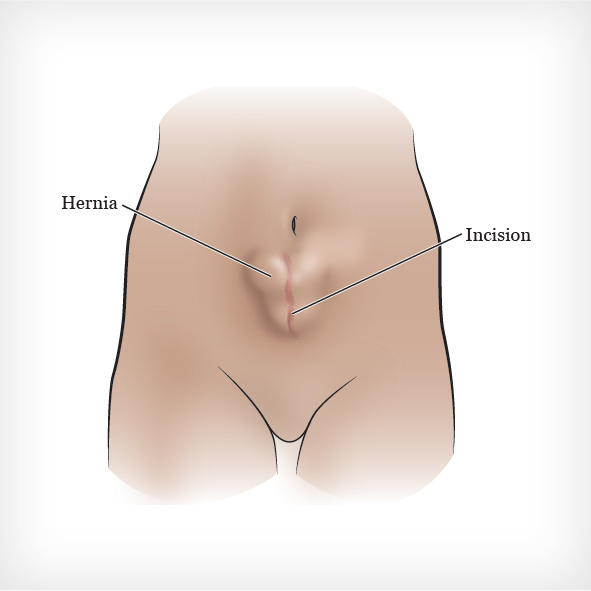
Incisional Hernia repair from
previous surgery
After one has undergone a surgical operation, there is always a chance of developing a hernia in the location where an incision was made. This is called an incisional hernia. Most often, these incisional hernias develop after a large, midline incision from an “open” procedure; or can develop at the umbilicus (belly button) from a laparoscopic or robotic procedure.
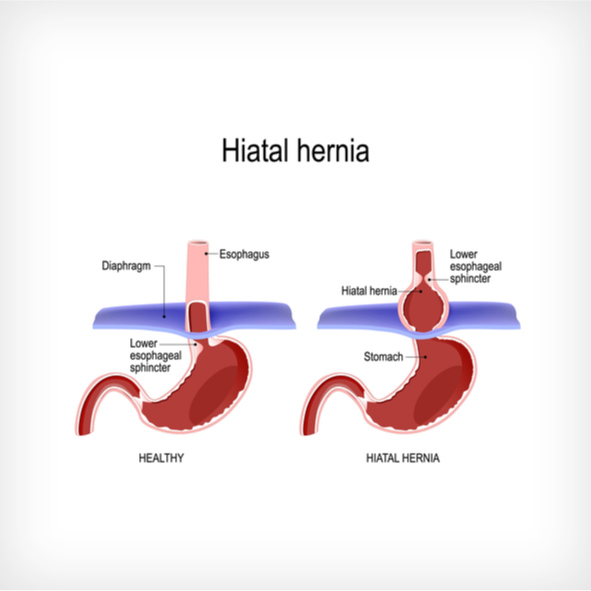
Hiatal Hernia repair
Hiatal hernias are part of a group of hernias around the esophagus, called paraesophageal hernias. The most common of these are called sliding hiatal hernias. These hernias are present in a large percentage of the population, though most patients are without symptoms. Those that do become symptomatic may have gastrointestinal reflux disease (GERD).

Start Your Journey Today
© 2026 Brooklyn Queens Surgical. All Rights Reserved. Accessibility Statement - Privacy Policy - Sitemap
