
How Gastric Bypass Supports Long-Term Weight Loss
How Gastric Bypass Supports Long-Term Weight Loss
Gastric bypass is one of the most established forms of bariatric surgery for people who have struggled to lose weight through diet, exercise, or medication alone. While every patient’s results are different, gastric bypass can support long-term weight loss by changing how the stomach and digestive system process food. At Brooklyn Queens Surgical, patients receive individualized guidance to help them understand whether this procedure is the right fit for their health goals.
What Happens During Gastric Bypass?
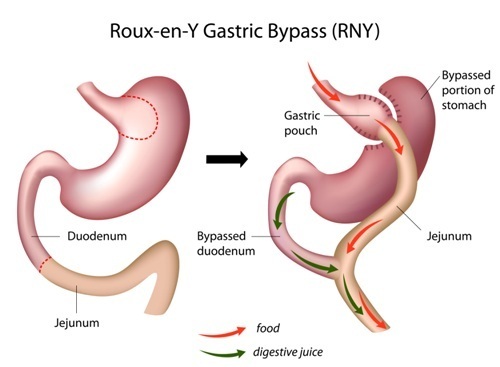
Gastric bypass, often called Roux-en-Y gastric bypass, reduces the size of the stomach and reroutes part of the small intestine. This creates a smaller stomach pouch, which helps patients feel full with less food. It also changes how calories and nutrients are absorbed, which can contribute to weight loss over time.
Because this is a surgical procedure, it requires a full evaluation, medical clearance, and a commitment to long-term lifestyle changes. Gastric bypass is not a quick fix, but it can be a powerful tool when paired with ongoing nutrition, activity, and follow-up care.
Why Gastric Bypass Can Help With Long-Term Weight Loss
One of the reasons gastric bypass can be effective is that it addresses several factors involved in weight gain and appetite control. After surgery, many patients experience changes in hunger signals, portion tolerance, and eating patterns. These changes can make it easier to maintain healthier habits compared to relying on willpower alone.
Patients are typically guided through dietary stages after surgery, beginning with liquids and gradually moving toward soft foods and balanced meals. Over time, the goal is to build a sustainable routine that supports steady weight loss and better overall health.
Health Benefits Beyond The Scale
Long-term weight loss can affect more than appearance. For many patients, bariatric surgery may also support improvements in weight-related health concerns. While results vary, losing excess weight can reduce strain on the body and make daily activities easier.
Potential benefits of gastric bypass may include:
• Better portion control and reduced hunger
• Improved mobility and energy levels
• Support for healthier blood sugar levels
• Less pressure on joints
• Greater motivation to maintain lifestyle changes
These benefits depend on many factors, including a patient’s starting health, consistency with follow-up visits, and ability to follow post-surgery recommendations.
The Importance Of Follow-Up Care
Successful long-term weight loss after gastric bypass does not end with surgery. Follow-up care helps monitor healing, nutrition, weight loss progress, and any concerns that may develop. Patients may need vitamin supplementation, routine lab work, and continued support from their surgical care team.
This ongoing care is one of the most important parts of the process. It helps patients stay on track, make adjustments when needed, and avoid common setbacks such as nutritional deficiencies or poor eating habits.
Is Gastric Bypass Right For You?
Gastric bypass may be recommended for patients who meet certain medical criteria and are ready to make lasting lifestyle changes. A consultation can help determine whether gastric bypass, sleeve gastrectomy, or another weight loss surgery option is best based on your health history, weight loss goals, and personal needs.
Schedule a consultation Brooklyn Queens Surgical to learn more about gastric bypass and long-term weight loss. Contact any of our convenient locations by calling (718) 257-0200 at our Sheepshead Bay Office, Flatlands-Bariatrics Office, East New York Office, or Queens Avenue Office to book an appointment today.

Services
Learn More
Keep In Touch
Contact Us© 2026 Brooklyn Queens Surgical. All Rights Reserved. Accessibility Statement - Privacy Policy - Sitemap
